المقالات متاحة بالإنجليزية حالياً، والنسخ العربية قيد الكتابة.
كوبايت
What a voice order sounds like in Egyptian Arabic
Ordering AI built for English breaks in local restaurants. What native Egyptian Arabic support means in practice.
· 5 min read
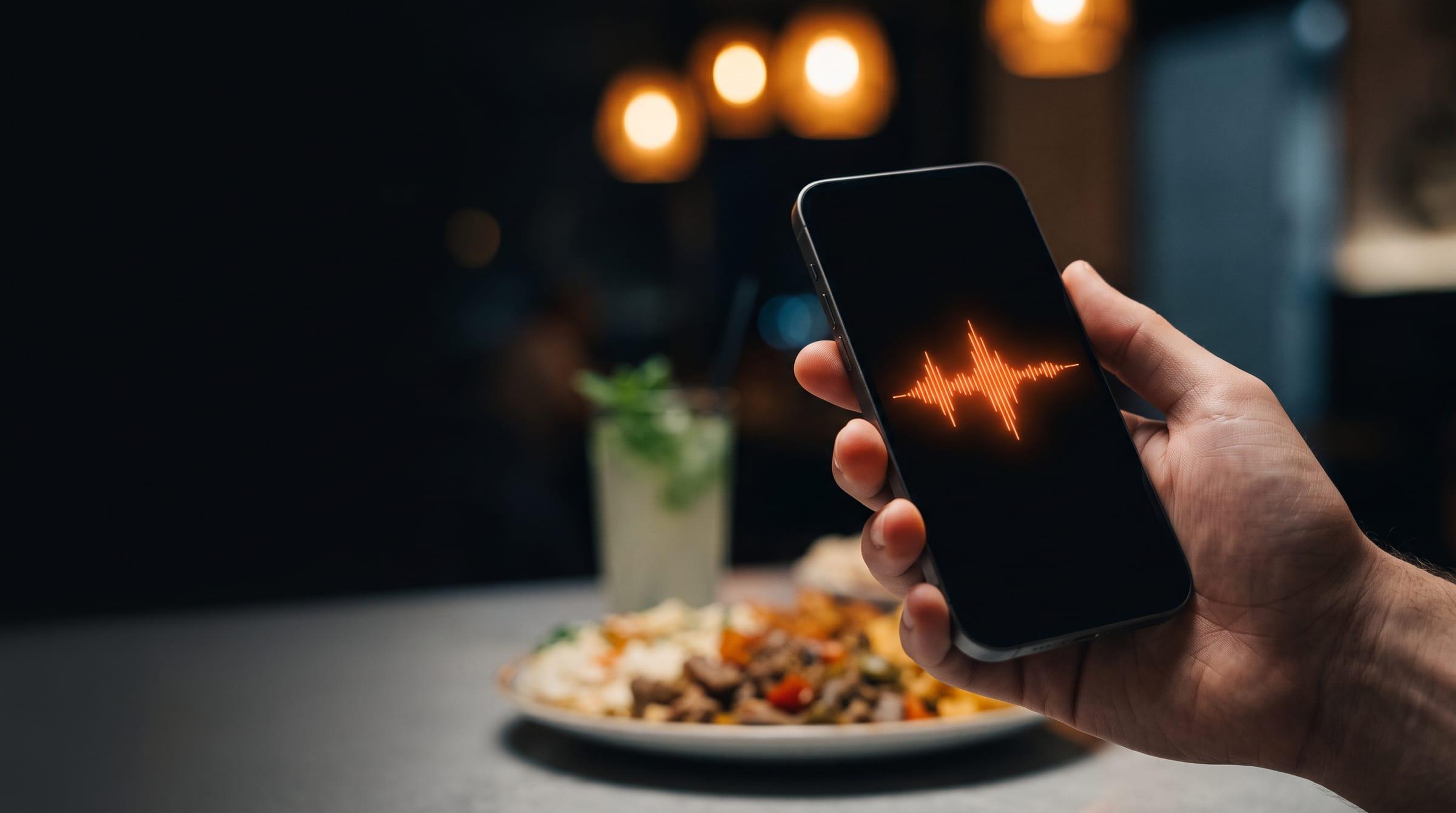
Sit at a table in a busy Cairo restaurant and listen to how people order. "عايز طبق مشويات مشكّلة وليمون بالنعناع." Half a sentence in Arabic, a dish name in English, a quick change of mind, a question about whether the kofta is spicy. That is a normal order. It is also exactly the kind of order that voice software built for English falls apart on.
Why English-first ordering AI breaks here
Most voice ordering systems are built for English and adapted to other languages later, usually to Modern Standard Arabic. But nobody orders dinner in Modern Standard Arabic. Guests speak Egyptian dialect, mix in English words, use local names for dishes, and phrase requests in ways a translated system was never trained to expect.
The result is a system that technically "supports Arabic" and still asks guests to repeat themselves. After the second repeat, the guest waves for a server.
What native Egyptian Arabic support means
For Cobite, Arabic is not an add-on. It supports Arabic, including the Egyptian dialect, and English natively, from the start. In practice that means the AI:
- understands the order the way the guest actually says it, in dialect or in English;
- confirms each item back so the guest knows it was heard correctly;
- answers questions about the menu;
- suggests an add-on on every order, the way your best server would.
How it works at the table
- The guest scans a QR code on the table. It opens in the phone's browser, so there is no app to download.
- The guest speaks their order.
- The AI confirms the items, answers questions and suggests add-ons.
- The confirmed order reaches the kitchen in real time.
It takes under 30 seconds from the moment the guest taps the mic to a confirmed order. Multiple tables can order at the same time with no queue, and there is no hardware to install. Any smartphone and any browser will do.
Why restaurants care
Table ordering today depends on waiting for a server, the server walking the order to the POS, and upselling that varies with every shift. That costs time per table and revenue per order. A voice order that is taken, confirmed and sent to the kitchen in seconds, with a consistent suggestion on every order, addresses both.
Cobite is built for restaurant chains, casual and upscale dine-in restaurants, and F&B groups in Egypt and the wider region, and it is set up in an afternoon.
To hear it take an order in your own menu, book a demo.
يستقبل الطلب بالصوت.